
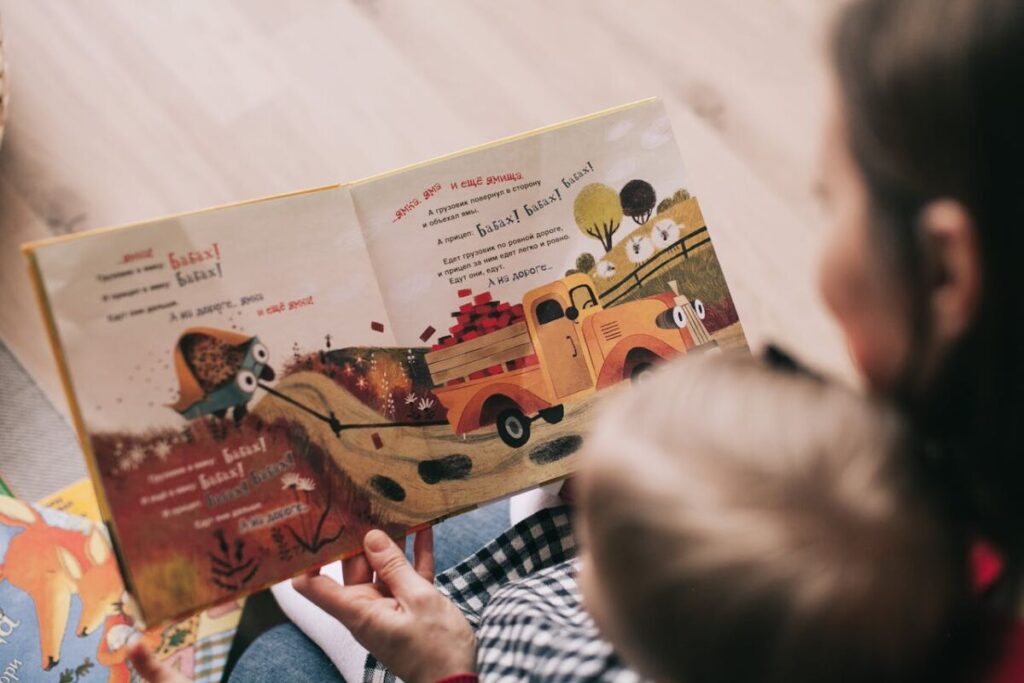
Have you ever wondered why some stories stick with us long after you’ve experienced them? The answer lies in the art of good storytelling—weaving narratives that captivate, persuade, and inspire. Stories have a unique power to transcend language and culture, leaving a lasting impression. Whether you’re crafting a novel, a blog post, or a marketing campaign, the ability to tell a compelling story can be transformative.
This blog post is your practical guide to unlocking the magic of storytelling. We’ll dive deep into storytelling, exploring how to create narratives that resonate with your audience. We’ll uncover the secrets of choosing the right words, developing compelling characters, and building suspense that keeps your readers hooked. By the end, you’ll be equipped and ready to apply these techniques to your writing.
Whether you’re a seasoned writer, just starting your journey, or simply someone who appreciates a good story, this blog post will equip you with the tools to elevate your writing and leave a lasting impression. Master the art of storytelling and make your words unforgettable.
Why stories matter

Stories are the cornerstone of human connection. They entertain, educate, and forge deep bonds between us. Stories shape our worldview, influence our beliefs, and inspire us to action. A well-crafted narrative can evoke powerful emotions, spark the imagination, and challenge perspectives. In this way, storytelling is a universal language that connects us all, regardless of our background or culture.
In writing, storytelling is the lifeblood of your work, infusing your message with vitality and making it unforgettable. It’s not just about captivating your audience but also about making complex ideas accessible. Stories draw readers in, and by mastering the art of storytelling, you can harness its power to captivate your audience and make your message clear and memorable.
Crafting narratives that captivate

At the heart of every great story lies a captivating narrative. This is the foundation of your storytelling journey. To build a strong narrative, start by establishing a clear beginning, middle, and end, with a plot that gradually unfolds, keeping the audience engaged.
Grab your reader’s attention from the very first sentence. Start with a strong hook, like an intriguing question, a surprising fact, or a relatable situation. Introduce well-rounded characters, set the scene, and outline the central conflict or challenge they must overcome.
Painting vivid images with language

Words are your paintbrush, and your story is the canvas. Choose your words carefully, using descriptive language to paint vivid images in your readers’ minds. Avoid clichés and generic phrases. Instead, use clear and precise words to bring your story to life.
Engage your readers’ senses by describing sights, sounds, smells, tastes, and textures. Show, don’t just tell. Instead of stating that a character is angry, describe their furrowed brow, clenched fists, and how their voice rises. Metaphors, similes, and other forms of figurative language can add depth and richness to your writing. The richer the imagery, the more immersive the experience for your audience.
Breathing life into your story
A good story isn’t just about plot and language. It’s about creating a believable world that your readers can connect with.
- Establish a clear setting. Where and when does your story take place? Create a vivid backdrop that adds depth and context to your narrative.
- Infuse dialogue with personality: Dialogue should reveal character, advance the plot, and sound natural. Give each character a unique voice and way of speaking.
- Evoke emotions. Tap into your readers’ feelings. Make them laugh, cry, or feel a sense of wonder.
Keeping audiences hooked

Artful storytelling lies in keeping your audience engaged from beginning to end.
- Build suspense. Create anticipation and curiosity. Drop hints, foreshadow events, and leave your readers wanting more.
- Use cliffhangers. End sections with a cliffhanger to entice readers to keep reading.
- Leave room for interpretation. Don’t spell everything out. Allow your readers to draw their conclusions and connect with the story personally.
Make your words unforgettable
Mastering the art of storytelling in writing is a journey of practice, dedication, and experimentation. But when you can weave words into narratives that captivate, persuade, and inspire, you unlock a powerful tool for communication and connection.
Every word has the potential to win hearts and minds. Let your words paint vivid pictures, evoke deep emotions, and transport your readers to new worlds. Make your words unforgettable, leaving a lasting impression on your audience.