
As freelance writers, our words hold the power to inform, inspire, and even drive change. But have you ever paused to consider the environmental impact of our craft? In our digital age, it’s easy to forget that even the virtual world has a real-world footprint. While the world of online content creation seems inherently green, the reality is that our work consumes energy, contributes to e-waste, and can lead to unnecessary resource consumption.
There are many ways to reduce our ecological impact while crafting compelling content. By making small changes to our habits and choices, we can contribute to a greener future for our profession and our planet. Let’s explore some sustainable writing practices that can help you make your freelance business greener.
The hidden environmental cost of going digital
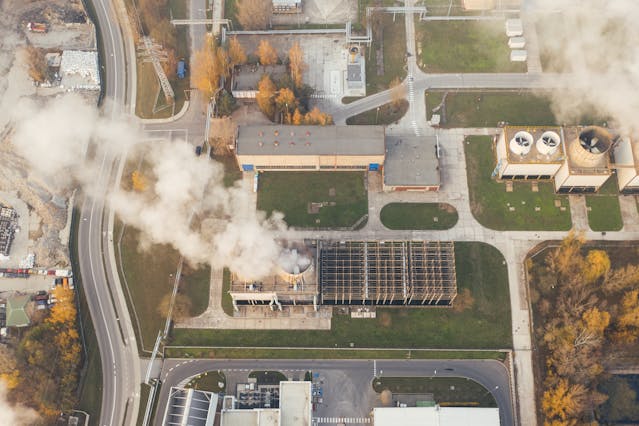
The internet might seem invisible but relies on a vast network of energy-hungry servers and infrastructure. Our constant connectivity, from cloud storage to endless streaming, consumes significant resources.
Additionally, the production of our devices, from laptops to smartphones, involves mining, manufacturing, and shipping—all of which have their own environmental toll. Simple tasks like sending emails or streaming learning videos add to our carbon footprint.
As eco-conscious freelancers, we must understand these hidden costs and take steps to minimize our impact.
Greening your workspace

One of the simplest ways to make your freelance writing business more sustainable is to green your workspace. Here are a few tips:
- Choose energy-efficient devices. When purchasing new laptops, monitors, or other electronic devices, look for models with Energy Star certifications and high energy efficiency ratings. Opt for a laptop over a desktop, as they consume less energy.
- Optimize your computer’s power settings. Adjust your devices’ power settings to reduce energy consumption when idle.
- Unplug when not in use. Make it a habit to power down and unplug chargers and other electronics when you’re not using them. Even in standby mode, these devices still consume energy.
- Switch to renewable energy. If available, switch to a renewable energy provider or invest in solar rooftop panels for your home office.
- Maximize natural light. Take advantage of natural light to reduce the need for artificial lighting during the day.
- Choose eco-friendly office supplies. Go for recycled or sustainable office supplies whenever possible.
Minimizing paper and waste
While we may primarily work digitally, there are still opportunities to reduce paper waste in our freelance writing businesses.
- Take notes digitally. Use note-taking apps and cloud storage instead of paper notebooks and planners.
- Embrace digital documents. Whenever possible, opt for digital contracts, invoices, and other documents.
- Edit on screen. Proofread and edit documents directly on your device to avoid unnecessary printing.
- Practice mindful printing. If you must print, use both sides of the paper and choose recycled options. Consider paper made from sustainable sources.
- Reuse and recycle. Use scrap paper for notetaking or brainstorming. Recycle paper, ink cartridges, and electronic waste responsibly.
Choosing eco-friendly tools and resources
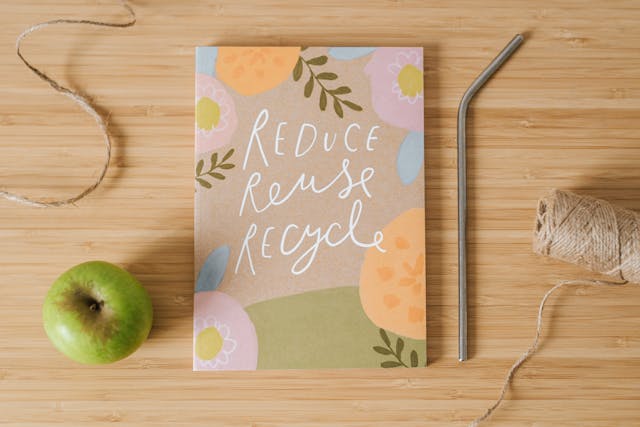
There are a variety of eco-friendly tools and resources available to freelance writers.
Research and choose software companies that prioritize sustainability and embrace carbon offset programs in their development and operations. Use cloud storage services that run on renewable energy sources. If you have a website or blog, choose a hosting provider that uses green energy to power its servers.
Collaborating for a greener workflow

Collaboration is a crucial aspect of freelance writing, and it can also be a way to promote sustainability.
Whenever possible, communicate with clients digitally rather than sending printed documents. Share and collaborate on files online instead of sending large files back and forth via email or printing numerous drafts. Consider using cloud-based project management tools to streamline communication. Opt for video calls instead of in-person meetings to reduce travel-related emissions.
Conclusion: Crafting a greener future
By adopting these sustainable writing practices, we can significantly reduce the environmental impact of our freelance business and contribute to a healthier planet. Remember, every small step counts. Together, we can make a big difference and ensure a greener future for our profession and the world.